DLA PharmaceuticalsTypically replies within 1 hour
DLA PharmaceuticalsTypically replies within 1 hour
CAT Number
DLA-HST-001
Unit Size
10 CM-400 CM
Updated
January 21, 2026
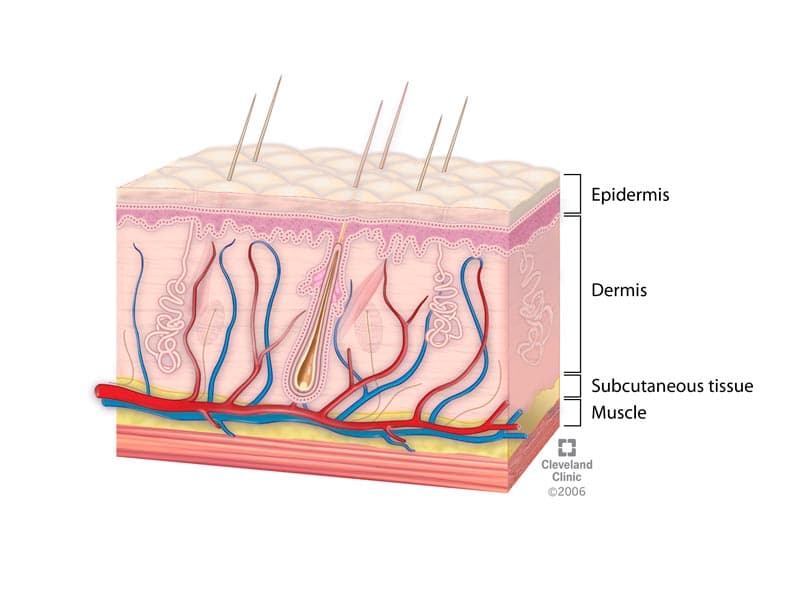
Skin Structure and Types for Research Applications: Human skin is a complex organ composed of multiple layers, each serving distinct biological functions and supporting a wide range of dermatological research, cosmetic testing, and pharmaceutical development. Understanding skin structure and skin types for research is essential for accurate ex vivo skin studies, skin penetration testing, and product safety evaluation. Layers of Human Skin: Human skin consists of three primary layers used extensively in skin biology research models: Epidermis: The outermost layer responsible for skin barrier function, transepidermal water loss (TEWL) regulation, and skin pigmentation. It plays a critical role in topical formulation testing, permeation studies, and cosmetic efficacy testing. Dermis: Contains connective tissue, collagen fibers, elastin, hair follicles, sebaceous glands, blood vessels, lymphatic vessels, and sweat glands. The dermis is essential for wound healing research, anti-aging studies, and dermal toxicity testing. Subcutaneous Tissue (Hypodermis) Composed primarily of adipose tissue and connective tissue, supporting skin elasticity studies, drug diffusion research, and regenerative medicine applications. Epidermal Layer Variations in Human Skin Differences in epidermal thickness significantly influence skin permeability testing and transdermal drug delivery research. Thick Skin (Palms and Soles) Characterized by five epidermal layers: stratum basale, stratum spinosum, stratum granulosum, stratum lucidum, and stratum corneum. This skin type is commonly used in barrier function studies and mechanical resistance testing. Thin Skin (Other Body Areas): Comprises four epidermal layers, lacking the stratum lucidum. Thin skin models are widely applied in cosmetic ingredient testing, skin absorption studies, and dermatology research. Meeting Research and Product Testing Requirements Across Skin Types. We support cosmetic, dermatology, and pharmaceutical research by providing a wide range of human skin types and skin research models, enabling accurate simulation of real-world skin behavior. Following are the different skin types. 1. Full Thickness Fresh Skin Full thickness fresh skin refers to human skin tissue samples containing both the epidermis and dermis layers. These full thickness human skin models are widely used in dermatological research, wound healing studies, skin regeneration research, and ex vivo skin testing. Researchers use fresh human skin tissue to study skin barrier function, cutaneous biology, and topical drug permeability, making it highly valuable for pharmaceutical research, cosmetic testing, and transdermal drug delivery studies. 2. Flash Frozen Skin Flash frozen skin is human skin tissue that is rapidly frozen to preserve cellular morphology, protein structure, and biological integrity. These flash frozen human skin samples are commonly used in molecular biology studies, histology, biomarker analysis, and skin biobanking. Due to their long-term stability, frozen skin tissues for research are ideal for pharma R&D, omics studies, and comparative dermatology research. 3. Dermatome Skin Dermatome skin refers to split-thickness human skin harvested using a dermatome instrument. These dermatome skin grafts are extensively used in burn research, wound healing models, skin penetration studies, and regenerative medicine research. Dermatomed human skin provides consistent thickness, making it a preferred model for transdermal absorption testing, topical formulation evaluation, and medical device testing. 4. Ex Vivo Baby Skin Models Ex vivo baby skin models are specialized human pediatric skin models used to study infant skin physiology, skin maturation, and barrier development. These ex vivo infant skin models are critical for baby care product testing, pediatric dermatology research, and safety assessment of cosmetics. Due to structural differences from adult skin, these models support accurate sensitivity testing and dermal toxicity studies. 5. Sebaceous Gland Models Sebaceous gland models are advanced skin biology models designed to study sebum production, lipid metabolism, and acne pathophysiology. These sebaceous gland in vitro and ex vivo models are widely used in acne research, anti-acne drug development, and cosmeceutical testing. They help evaluate seboregulation, anti-inflammatory compounds, and hormonal effects on skin. 6. Pigmentation Models Pigmentation models are used to investigate melanin synthesis, melanocyte activity, and skin tone regulation. These human skin pigmentation models support research in hyperpigmentation, melasma, vitiligo, and skin brightening studies. They are essential for testing depigmenting agents, UV protection products, and cosmetic pigmentation treatments. 7. Scar and Stretch Marks Models Scar and stretch marks models are used to study skin fibrosis, collagen remodeling, and dermal elasticity. These ex vivo and in vitro scar models help evaluate anti-scar treatments, stretch mark reduction products, and wound remodeling therapies. They are widely applied in dermatology research, aesthetic medicine, and cosmetic efficacy testing. These models are suitable for: 1. Cosmetic product efficacy testing 2. Skin irritation and sensitization studies 3. Transdermal drug delivery evaluation 4. Anti-aging and skin regeneration research 5. Dermatological and clinical research applications.